
01
Corrosion protection
GRP lining provides an effective barrier when a structure is exposed to aggressive atmospheres or fluids.
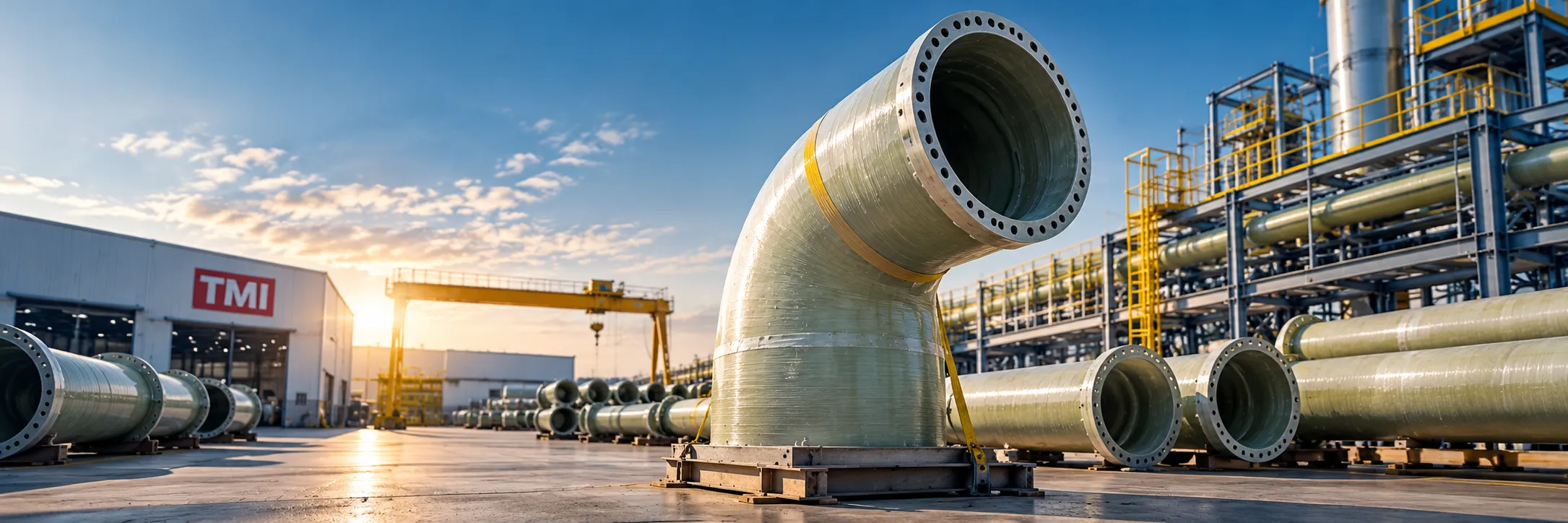
TMI applies glass-reinforced polyester lining solutions to protect surfaces, floors and structures exposed to corrosion and aggressive industrial conditions.
In an industrial environment, deterioration of a floor, tank or exposed surface can quickly become an operational issue. GRP / FRP lining provides a protective layer suited to environments where corrosion and wear must be controlled.
TMI offers glass-reinforced polyester linings as resistant, wear-resistant and anti-corrosion solutions particularly suited to hostile or highly corrosive environments.
The solution must nevertheless be specified according to the actual substrate, its condition, geometry, environment and operating conditions. The lining is therefore considered not as a simple covering, but as protection integrated into the structure.
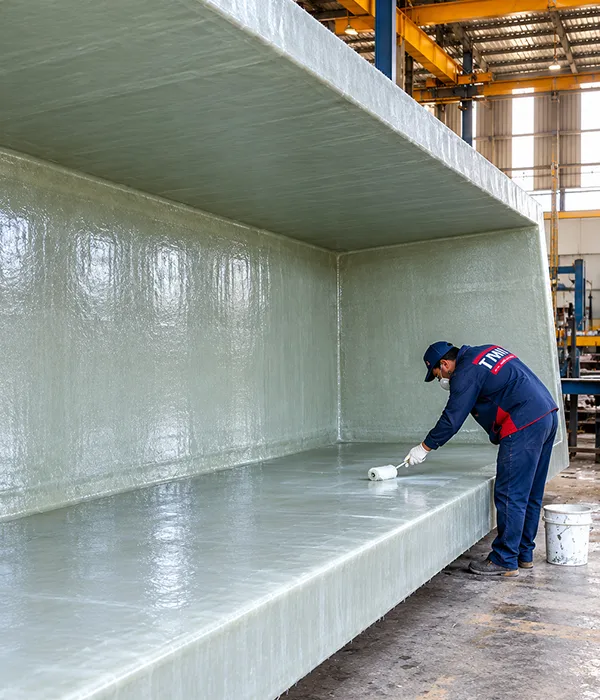
GRP lining provides an effective barrier when a structure is exposed to aggressive atmospheres or fluids.
TMI emphasizes the strength and wear resistance of its linings for surfaces exposed to industrial-environment constraints.
The solution can be applied to different surface and structural geometries, subject to assessment of the substrate and its configuration.
The lining is designed according to actual surface use so that it remains consistent with surrounding equipment and constraints.
The condition and nature of the substrate directly influence how protection should be designed. Before intervention, it is essential to understand the environment, geometry and operating conditions of the surface.
TMI works on floors, treatment tanks and various industrial surfaces. For each project, dimensions, exposed areas, equipment interfaces and site constraints must be clearly identified.
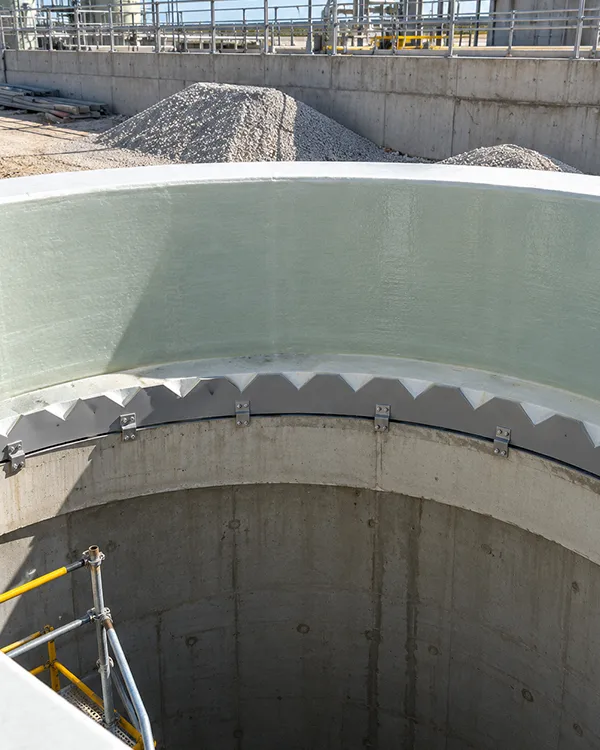
GRP / FRP lining is particularly relevant when traditional materials are exposed to aggressive service conditions.
Protection of circulation or work surfaces in areas where humidity, wear and corrosion are operating constraints.
Lining of internal surfaces or exposed areas of treatment structures where corrosion protection is a project requirement.
Applications on structures and surfaces associated with industrial-water and wastewater facilities.
Protection of surfaces located in environments where exposure to corrosive products or atmospheres requires an adapted solution.
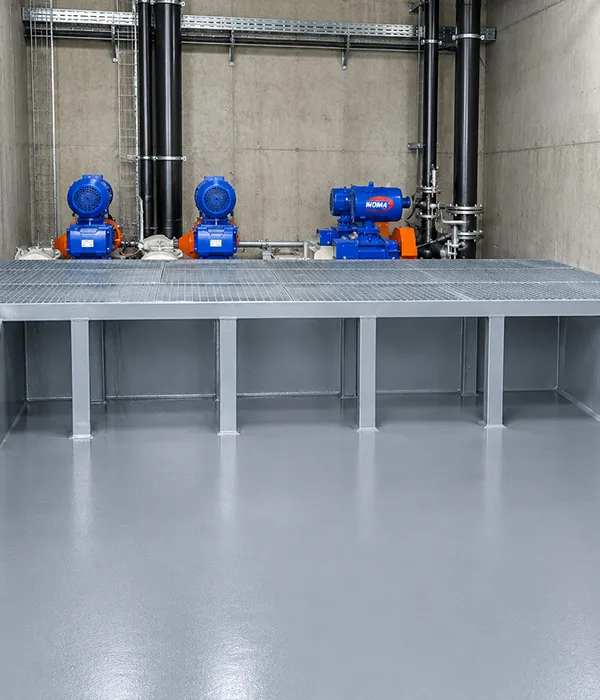
An effective lining begins with a clear definition of the surface to be treated and actual intervention conditions.
Identify the surface, environment, exposed areas and required level of protection.
Consider the condition, geometry, interfaces and access constraints of the structure.
Adapt the GRP / FRP solution to the industrial context and project conditions.
Organize workshop or on-site work according to the nature of the structure and scope entrusted to TMI.
Solution quality depends directly on substrate condition, environment and operating conditions of the structure.
It protects a surface or structure when exposed to a corrosive or aggressive environment. TMI applications include floors and treatment tanks.
TMI applications include floors, treatment tanks and various industrial surfaces exposed to corrosive conditions.
TMI highlights the strength, wear resistance and corrosion protection of its GRP linings, particularly relevant in hostile environments.
Condition, geometry, interfaces and operating conditions influence the selected solution. Appropriate protection must therefore be defined from the actual structure.
TMI provides on-site work. The intervention scope must be defined according to the structure, its location and site constraints.
Tell us about the substrate, its environment and main operating constraints. TMI can engineer a GRP / FRP lining solution adapted to your installation.